So long, Farewell, Aufwiedersehen dear Munich (Part 1)
When we told our friends in Munich that we were moving back to France, most of them were sad, but not surprised.
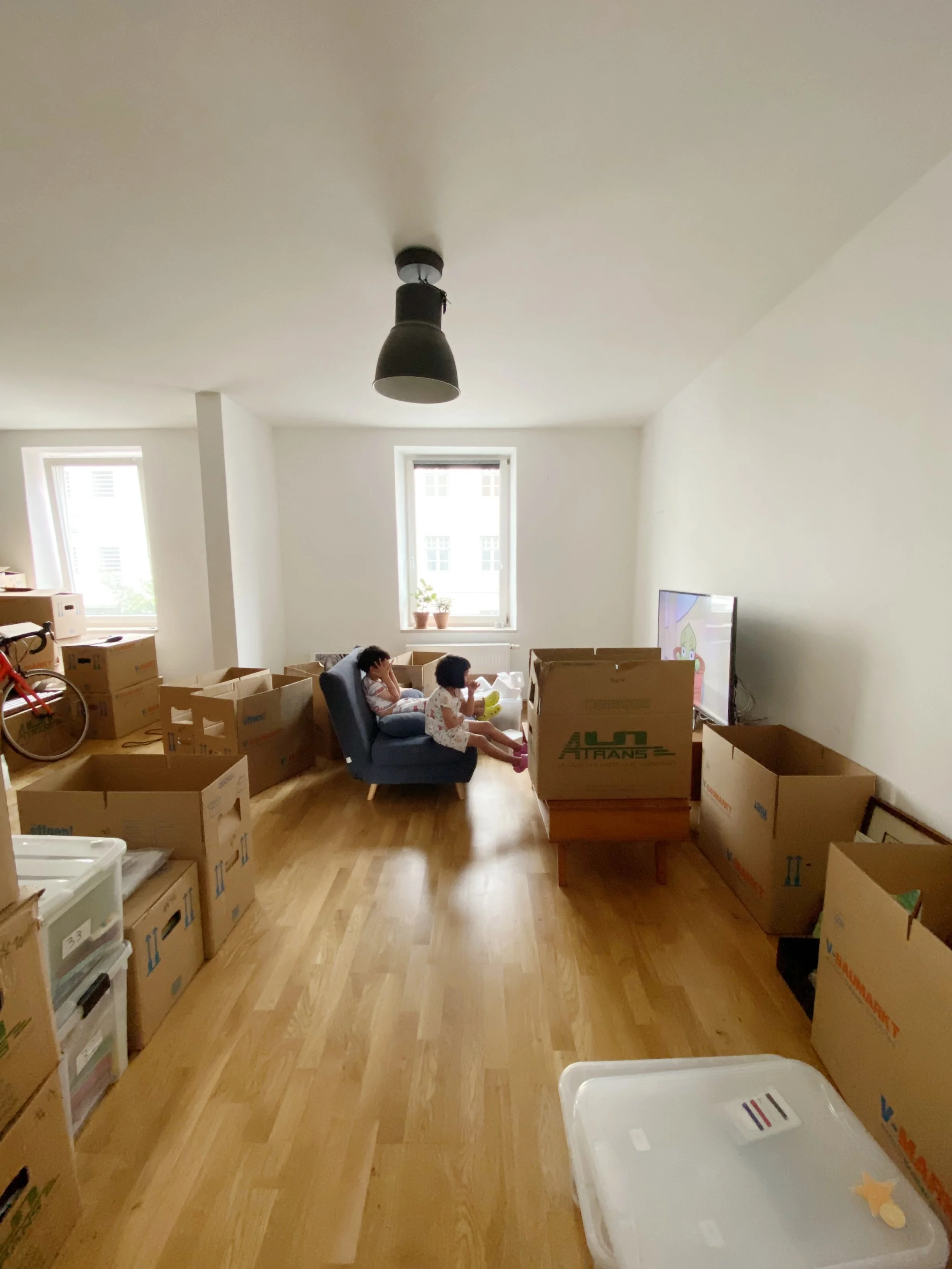
We first moved to Germany in 2014, when I was offered an internship in an advertising agency. It was supposed to be a six-month adventure - maybe a year at most. But the internship turned into a job, and six months turned into nine years. For most of that time, I was thrilled to call Munich our home. When we would travel, we’d often think to ourselves “this is nice, but it isn’t Munich”. The city’s infrastructure, the cleanliness, and even the (often cold) politeness of the Germans appealed to us tremendously. You see, we’d moved to Munich from Paris, which is a beautiful but chaotic, dirty, and frankly rude city. Parisians have a reputation of being rude, and you may become rude too after you’ve lived there for some time. I wasn’t a fan of the person I was becoming. As a student, and as I started off my career in advertising, I loved saying that I lived in Paris, but I’m not sure I loved living there. I only realized this after our move.
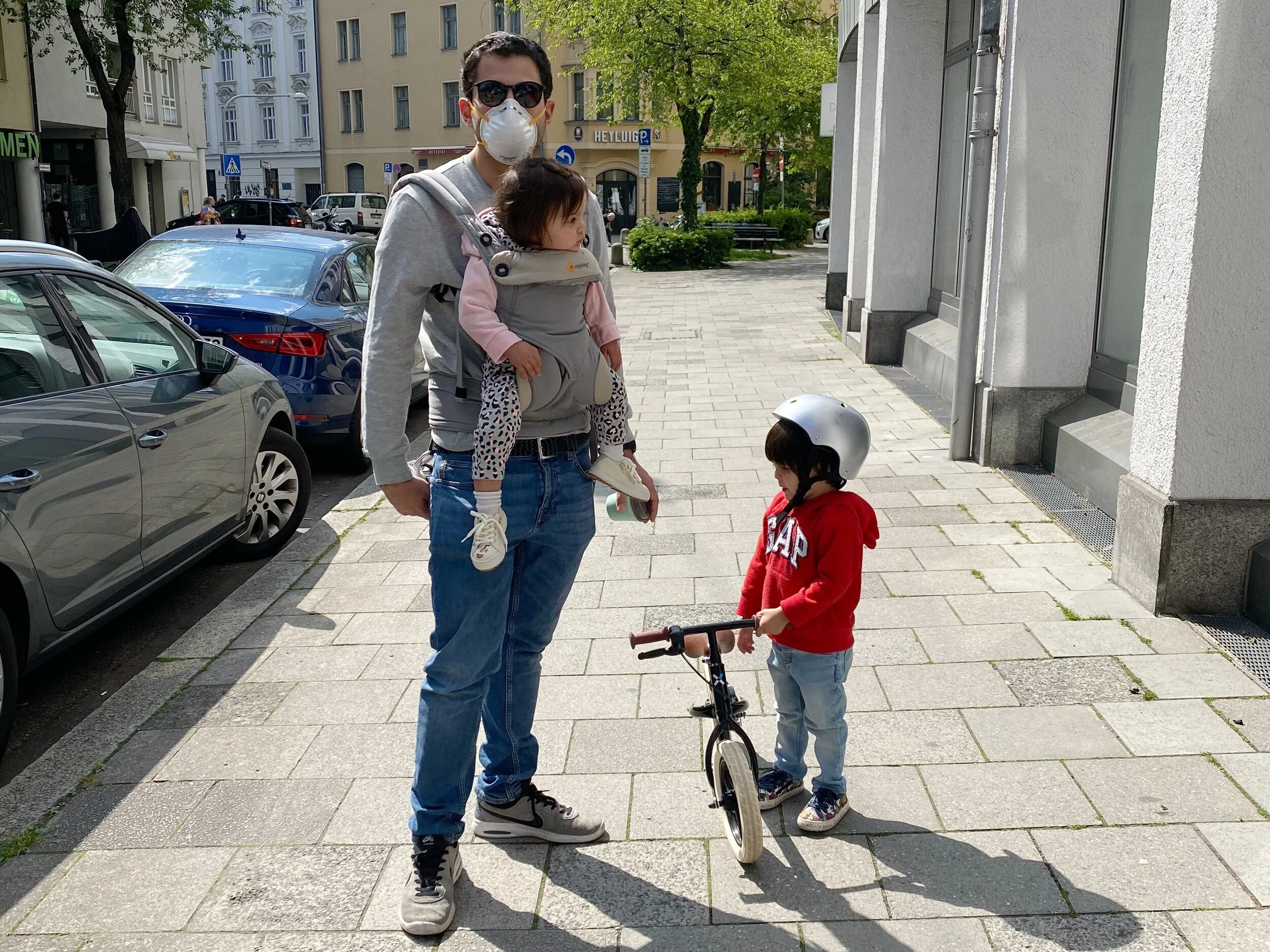
Munich felt like the best kept secret. We’d been there before for Oktoberfest (naturally) and I remember thinking that it was a great place to visit, but I couldn’t picture myself living there. So imagine how joyously wrong I discovered myself to be when the internship opportunity occurred, and with it a whole new perspective on what living in Munich was really like. History gives the city a heavy bad rap, and rightfully so, but modern day Germany was the most accommodating experience I’d had in my then six years as an expat. My German colleagues were fun and made me feel instantly welcome, even if my level of German was basic. I know this isn’t everyone’s experience of Germany, or specifically Bavaria, but I was fortunate in that sense. Even after I left the agency and switched careers, I still felt welcome. With time came two kids, and Munich remained unbeatable in its quality of life for our young family of four.
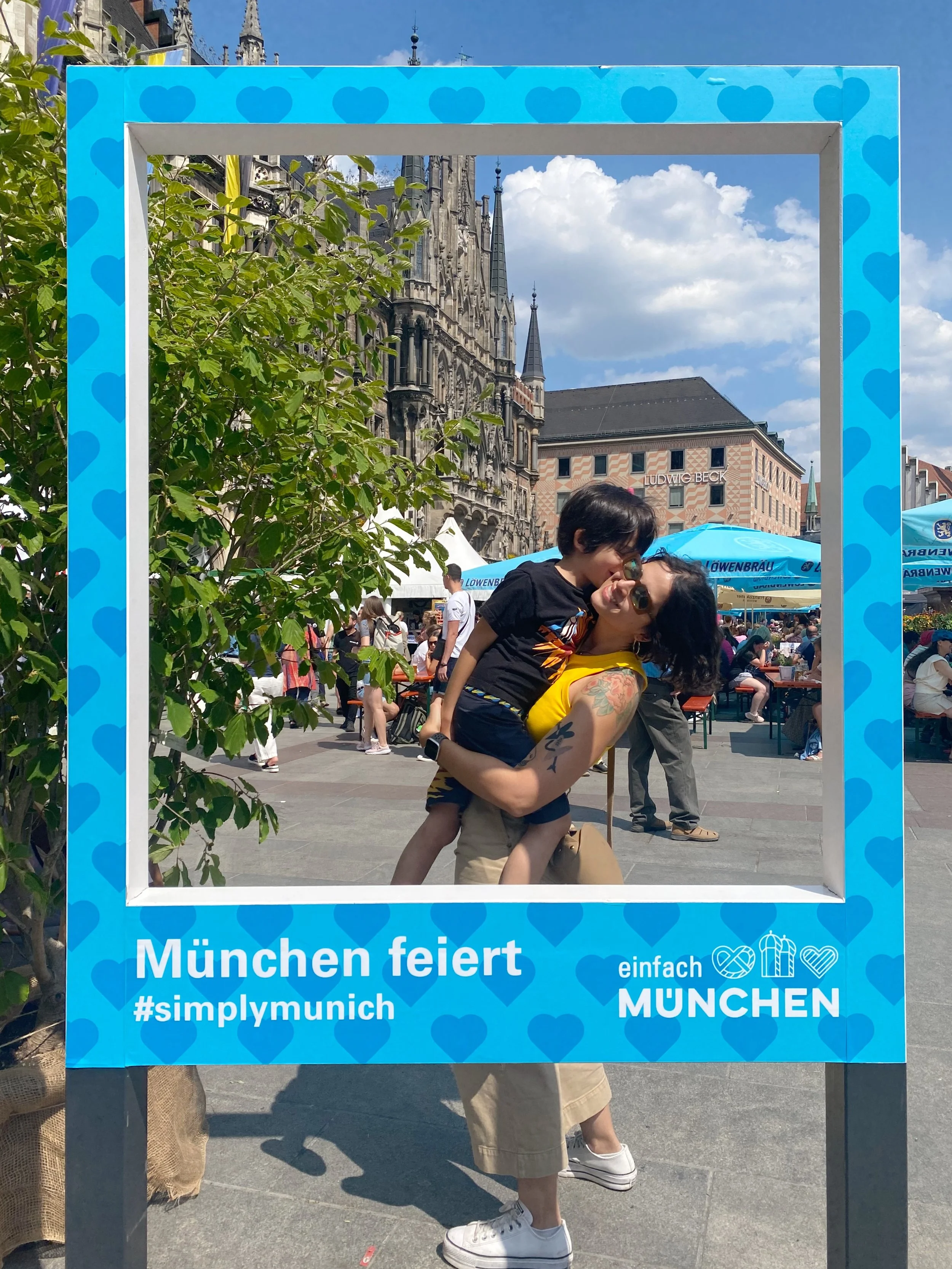
So why move?
Well, for one there is a difference between feeling welcome and belonging. We felt welcome, even though we never quite belonged. This is on us, as I believe we’d always had the lingering sense that we wouldn’t be there forever.
I couldn’t see myself retiring in Munich.
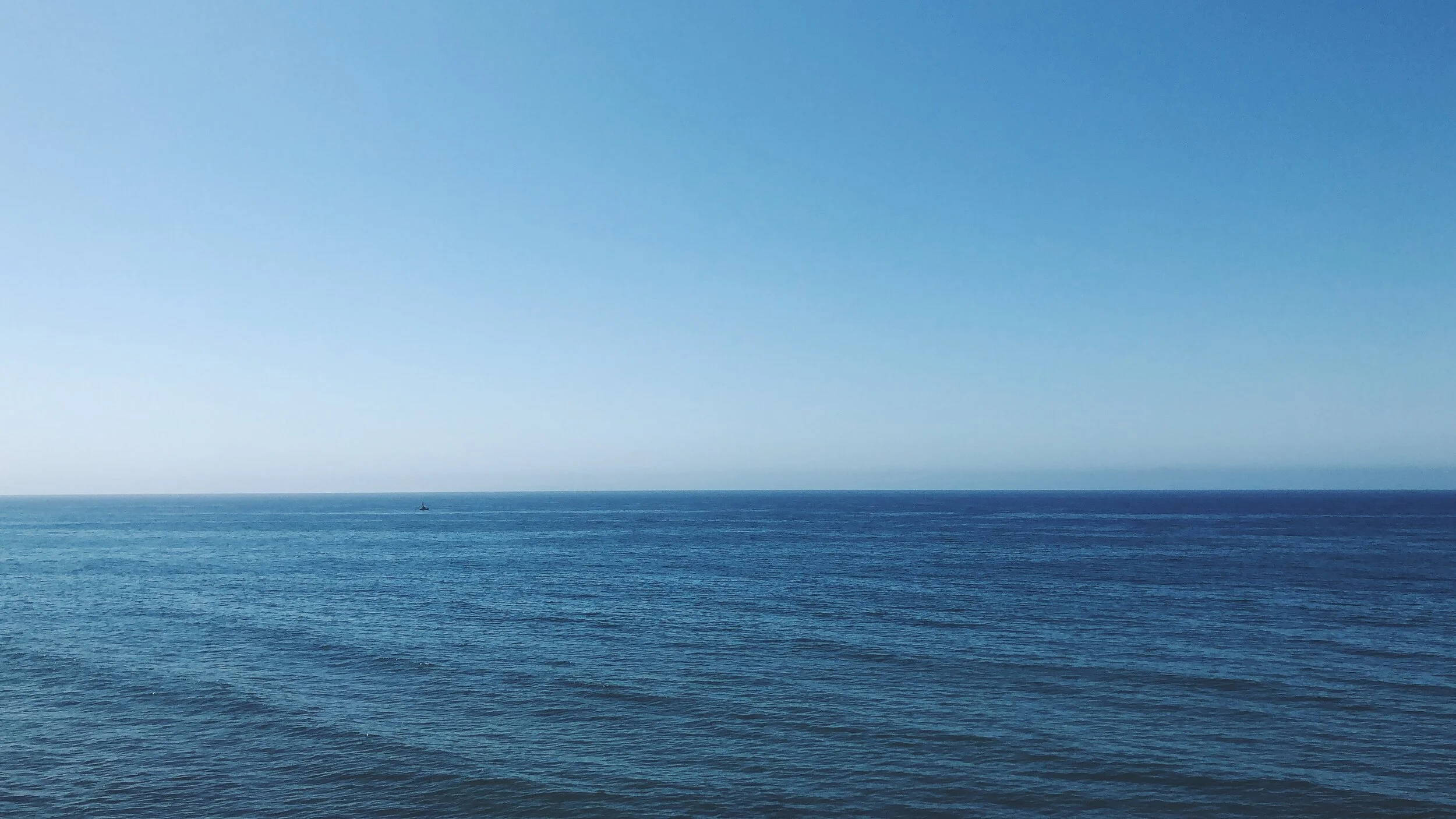
YY and I grew up by the ocean and although the Isar is great, we missed the salty water.
When our kids were born, we realized that as long we lived in Germany we would be raising them in an environment completely different and foreign from our own. We didn’t master the language. We appreciated, but didn’t quite follow German traditions. Even the food felt like an adaptation. We were grateful for experiencing all of it, but when it came to our kids, what did we actually want to pass on? How could a Brazilian from a Catholic family and a French-American Jew find common ground when raising two kids in Germany?
We started asking ourselves whether we were up to the challenge of raising two little foreigners in a foreign country that would never be ours, or their own. We wondered whether we were up to the challenge of long winters and months of overcast weather, when we’d both been raised near the ocean in hot (Rio) and moderate (California) climates. Were we also up to the challenge of raising our kids far from our families? For the past six years we went back-and-forth on this decision, hesitating between California and France as potential places for us to settle down. Every winter we would think “this is the year we’re moving!” and then when summer rolled around we would inevitably backtrack. “Maybe next year”, we’d decide. Neither of us grew up with real seasons and the timeliness of the changes in southern Germany captivated us year after year. You could expect flowers to bloom in April, and leaves to start falling by the end of September. You could also expect a good amount of snow in January, and a fun time by the lakes and the Isar in the longer summer nights from June onwards. The predictability of the seasons cast somewhat of a spell on us.
That being said, after almost two years of living under Covid restrictions, I craved support. We made it through the pandemic aged and exhausted, like most of the world, but also with some clarity regarding our need for a support system for us and the kids. Furthermore, I also craved roots. I wanted to settle down in a place where I could envision the next step in my career without having to worry about belonging, or rather whether my kids felt like they belonged. We knew that this level of stability wasn’t a reality for us in Germany. There was a glass ceiling after all, and we’d reached it. It was time to move on.
To be continued.
Have you had a similar experience as an expat? Did you also feel like there’s a difference between feeling welcome versus belonging?
FIRST-AID
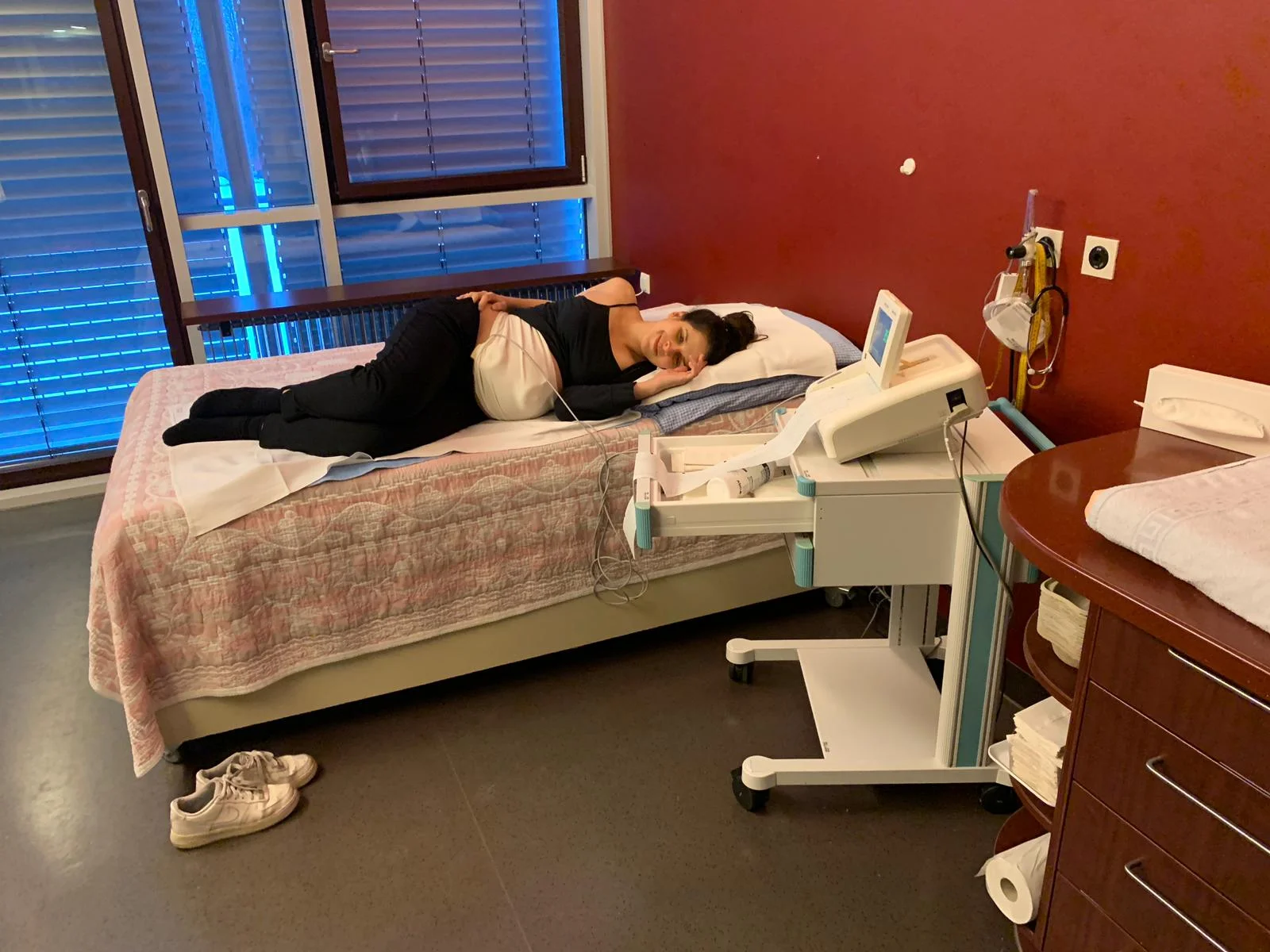
I'm naturally prone to anxiety. During my pregnancy, I would have a serious crisis at least once a month. The worst episode culminated with me crying at work due to a misunderstanding with a colleague, to the point that I had to go home. I thought I was just being "hormonal". I thought it would get better after I gave birth. It didn't.
If you send me an article about SIDS, I won't sleep. Then there is a heartfelt report from a mother pleading parents to learn first-aid that has been circulating (read: haunting me) on social media lately, which is why I jumped at the opportunity to attend a children and infant first-aid course, dragging my husband along with me.
ASB (Arbeiter-Samariter-Bund) offers one voucher per year to members who wish to attend first-aid courses for adults, elderly, children, etc. Without the voucher, the course costs 40EUR (but you can become an ASB member by donating as little as 24EUR/year). I became a member by chance as ASB volunteers knocked on my door, but I was sold when they told me about the possibility of taking the course.
Granted, it was all in German. YY was frustrated at first, as he felt like we weren't getting all that we could from it due to the language barrier. But regardless, it was definitely worth our time and the paranoia that followed.
A few takeaways, or just interesting facts:
- There are two species of poisonous spiders in Germany (!!)
- The worst disease-transmitting animals for children are: 1. Rats, 2. Cats, 3. Humans (kids bite!)
- 50% of fatal accidents with babies involve drowning
- There's LOTS of wasps hidding in bakery-bought donuts
- The vast majority of accidents happen at home; the second majority happen during free-time
- First-aid must happen within 2-3 minutes at the event of serious injury involving the brain, the heart or the lungs.
- The German average time for help to arrive is 15 minutes; in Munich, it's 8 minutes (hence the importance of knowing first-aid)
- Knowing the right emergency number to call is KEY. The right number = the right questions being asked, and that saves time, which can save a life
- People who work in childcare don't have the right to clean a wound with water, as that's considered "wound-cleaning" and this being Germany only doctors/paramedics have the right to perform it. Parents are allowed to forgo this rule.
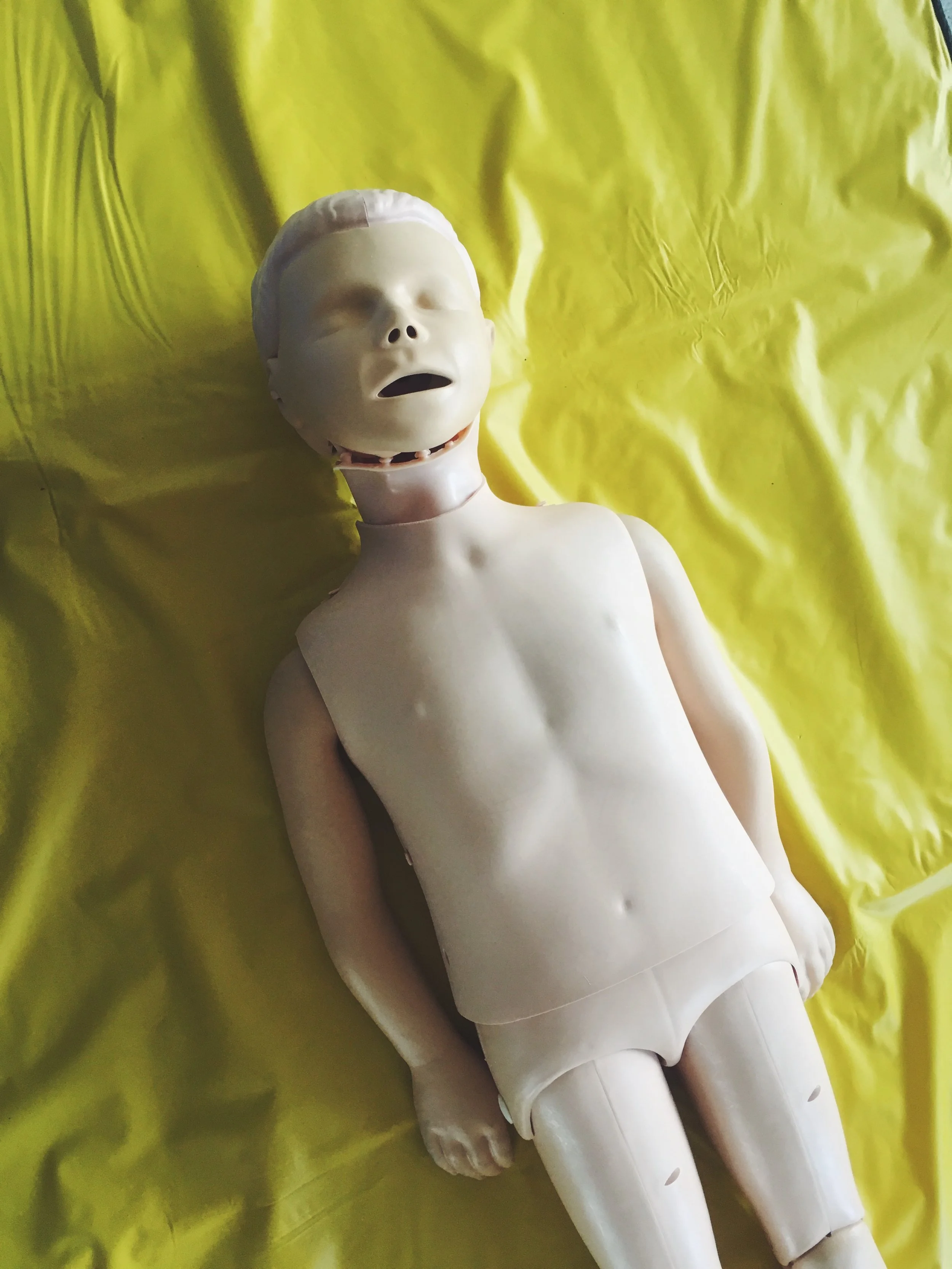
- Finally, we did some practical CPR exercises on a baby doll and child doll, which gave me the creeps
The course lasted for a good chunk of the day (9am-2:30pm), so we obviously learned much more than that. We were taught what to do at the event of choking, eating insects, hypothermia, heat insolation, unconsciousness with/without breathing etc., and we got the booklet with brilliant 90s stock footage, which lightened my heart at the end of such a tension-packed workshop (for me, at least).
Did I get to sleep better after attending the course? Nope. But would I recommend it to anyone caring for a tiny person? Absolutely.